
The Prototype Problem: When Talent Gets Filtered Through Stereotypes

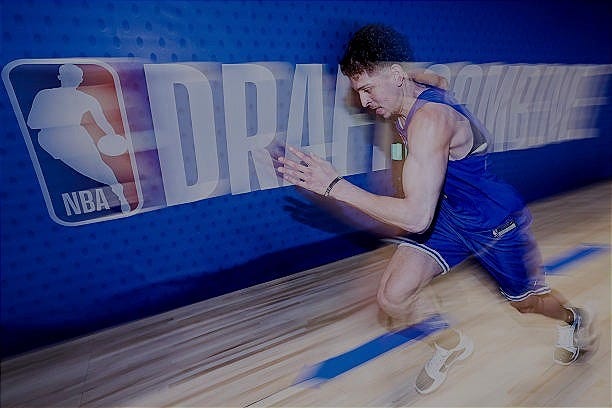
On the court, it’s supposed to be simple.
You hoop.
You produce.
You win.
That’s it.
Until the cameras turn on.
Because once they do, the game changes.
Not the one played between the lines, the one played in people’s heads.
That’s where the labels start.
White players are “smart.”
Black players are “athletic.”
One is “cerebral.”
The other is “raw.”
And just like that, before a player even proves who they are…
they’re told who they’re supposed to be.
The Mirror Scout
We treat scouting like a science.
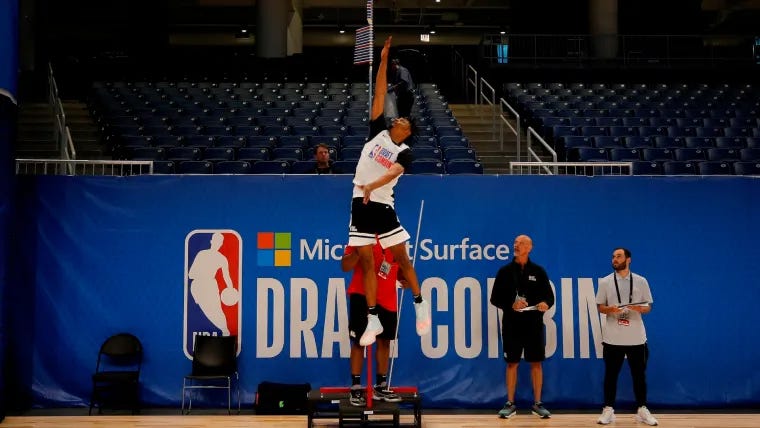
Wingspan. Vertical. Speed.
Everything measured down to decimals.
But then we get to the player comparison—
and suddenly, the science disappears.
Now it’s not about how you play.
It’s about who you look like.
A downhill, foul-drawing guard gets compared to a spot-up shooter.
Not because their games match—but because their appearance does.
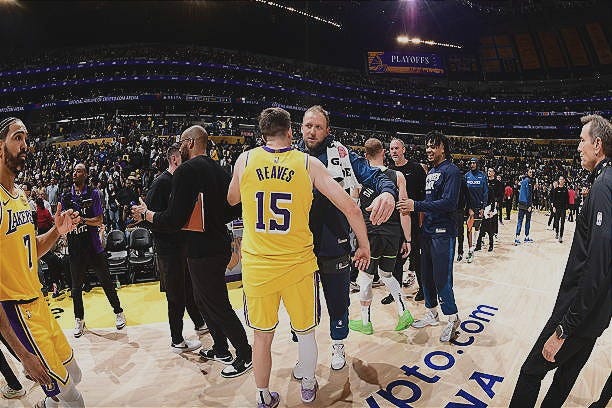
That’s how you end up with a player like Austin Reaves being compared to Joe Ingles.
One thrives off craft, manipulation, and attacking space.
The other built a career on spacing and shooting.
Different games.
Different styles.
Same comparison.
Why?
Because somewhere along the line, scouting stopped asking:
“Who does he play like?”
And started asking:
“Who does he look like?”
The Language We Don’t Question
The labels don’t stop at comparisons.
They show up in the words we use every day.
A white player makes a smart cut?
“High IQ. Great feel.”
A Black player makes that same cut?
“Explosive. Great athleticism.”
Same play.
Different explanation.
We credit one player’s brain…
and the other player’s body.
And that difference matters more than people want to admit.
Because language shapes perception.
And perception shapes opportunity.
The Hidden Ceiling
Here’s where it gets uncomfortable.
These labels don’t just describe players,
they limit them.
There’s actual research behind it. It’s called stereotype threat.
When someone feels like they’re being judged through a stereotype,
their performance can drop, not because of ability,
but because of pressure.
Put it on the court:
When a guard is told he’s a “pure shooter,” he might hesitate to drive.
When a big is labeled “raw,” he might stop trying to pass.
The label becomes a leash.
And now it’s not just about how good you are.
It’s about how much of yourself you’re willing to fight to show.
The Quiet Insult
There’s a subtle disrespect baked into all of this.
It sounds like praise, but it isn’t.
When we call a Black athlete “naturally gifted,” we’re saying they didn’t have to work for it.
When we call a white athlete “scrappy,” we’re saying they don’t have the talent for it.
One erases effort.
The other limits potential.
One says, “You were given this.”
The other says, “This is all you’ll ever be.”
Neither is accurate.
Both are lazy.
The System Behind It
This isn’t random.
It’s cultural.
It’s built into how sports have been talked about for decades.
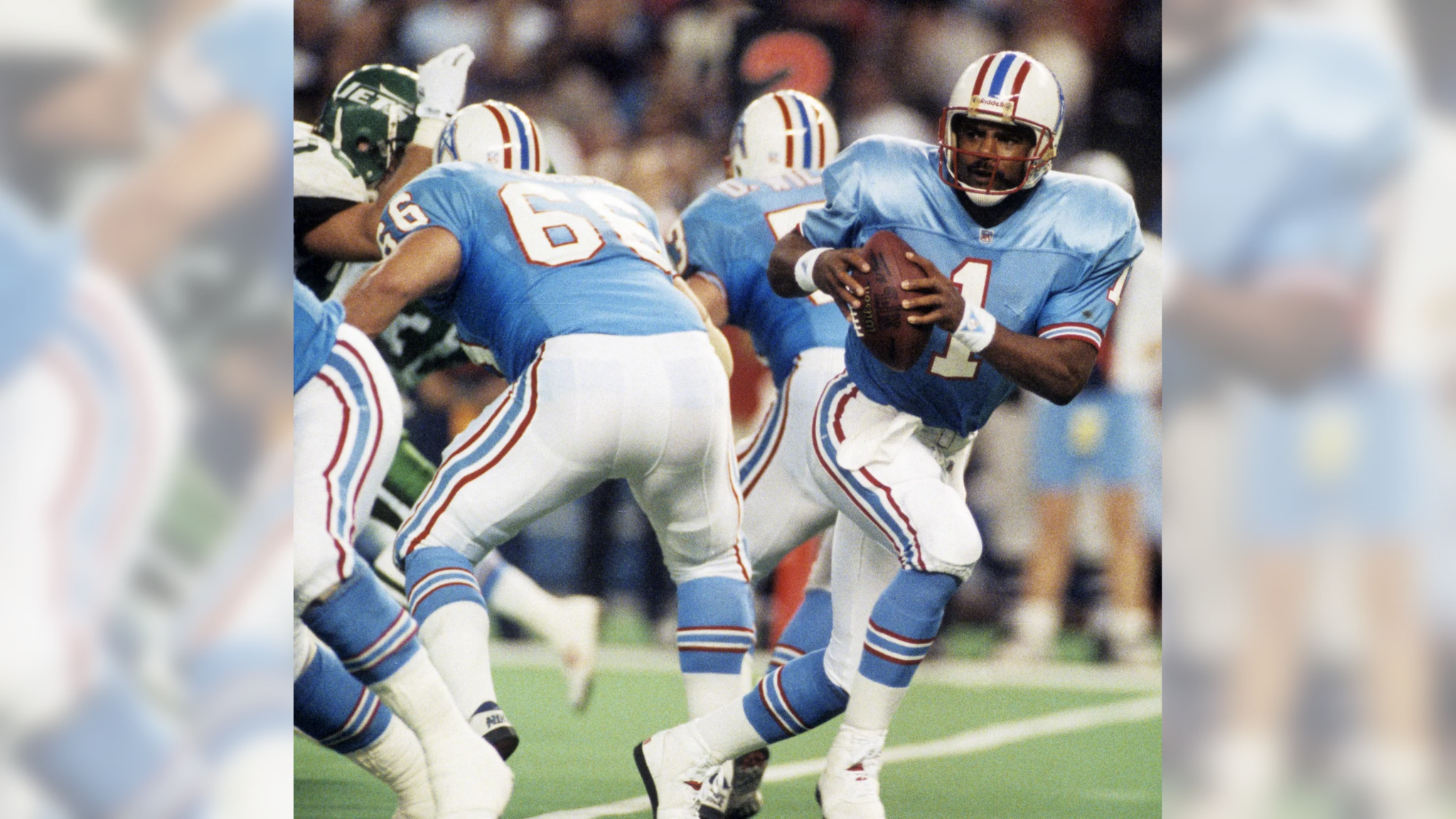
There was a time when Black athletes were labeled as lacking intelligence,
pushed away from leadership positions like quarterback.
It took players like Warren Moon to break that narrative.
Just like it took icons like Pelé to challenge global stereotypes about “football IQ.”
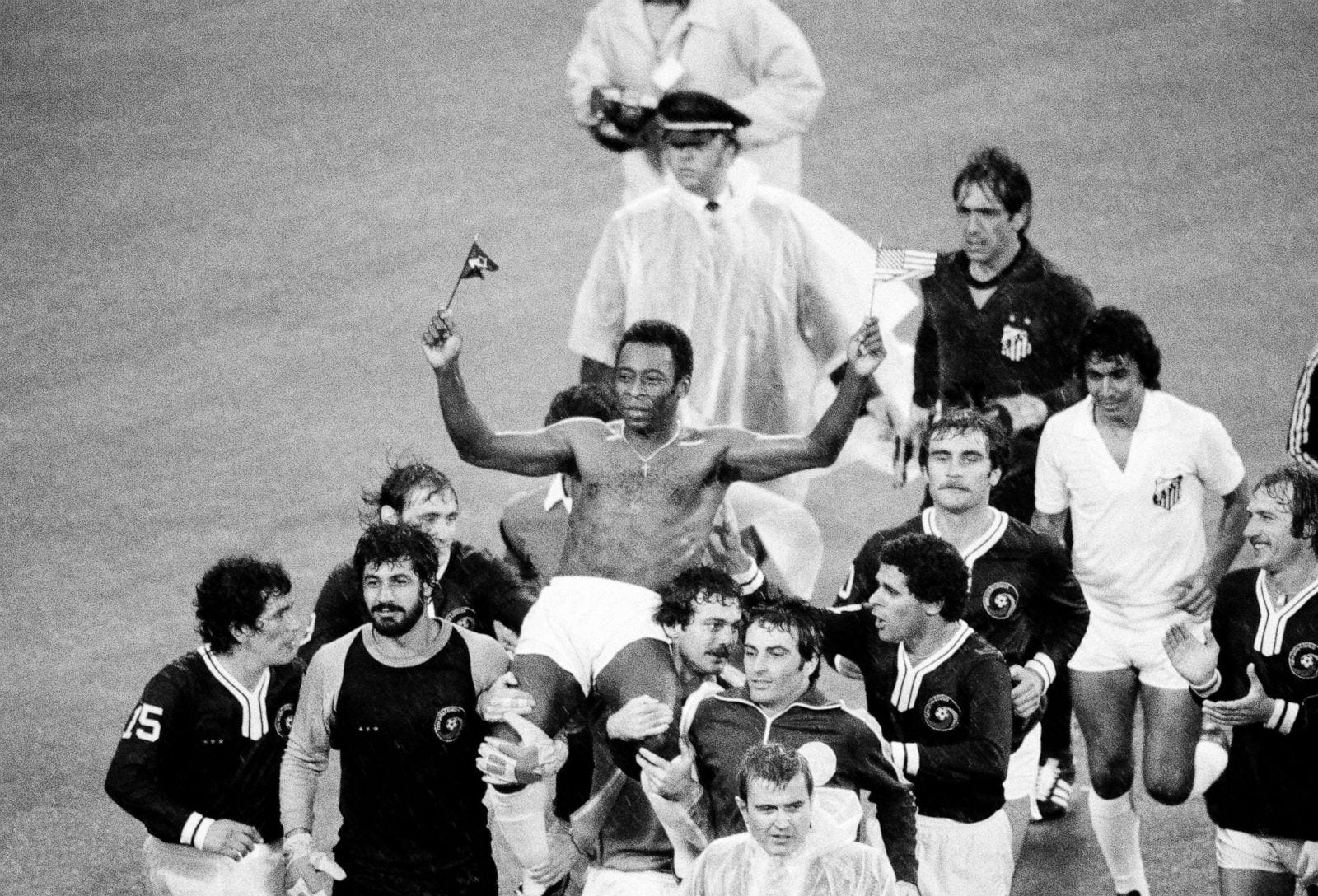
And still—somehow—those ideas never fully left.
They just got quieter.
More subtle.
More “professional.”
Now they show up in scouting reports instead of headlines.
From Scouting Reports to Comment Sections
And if you think it stops with analysts, you’re lying to yourself.
Look at social media.
A white player posts highlights—
the comments fill with: “That’s the kind of guy you’d want your daughter to date.”
Sounds harmless, right?
It’s not.
It’s the same “safe,” “high-character,” “high-floor” narrative—just repackaged as a joke.
And it connects to something deeper.
It’s why some athletes get labeled “confident”…
while others get labeled “arrogant.”
It’s why some mistakes get brushed off…
and others become identity-defining.
The “safe” label doesn’t just follow you on the court.
It follows you everywhere.
So What Happens Next?
Here’s the real question:
What happens when young athletes start hearing these labels early?
They adapt.
They lean into them.
Or they fight them.
But either way—they’re thinking about it.
And once that happens, the game changes.
Now it’s not just about development.
It’s about perception.
Now you’re not just playing to get better.
You’re playing to prove something.
To break a mold.
Or to fit one.
THE FOURTH QUARTER
The uncomfortable reality?
A lot of this isn’t intentional.
It’s habit.
It’s tradition.
It’s what the game has always sounded like.
But that doesn’t make it harmless.
Because when we evaluate players through a lens that was never built on truth…
we’re not scouting anymore.
We’re guessing.
And calling it truth.
SOURCES
Marangos, Jennifer. “Exploring the Impact of Racial Stereotypes in Sports.” Lehigh University News, 2016. (This is the feature on student-athlete Devon Carter’s senior thesis and his research with Professor Gordon B. Moskowitz).
Ingle, Tyler. “Miles Plumlee Scouting Report.” NBADraft.net, 2012. (The specific report used to illustrate “coded” language like “scrappy” and “good motor”).
Diamond, Alex. “The Construction of Race in Professional Basketball.” Bachelor’s Thesis, 2010s. (Cited for the historical framing of the 1980s Celtics-Lakers rivalry and the origin of “athletic vs. skilled” tropes).
Levy, Ian. “Similarity Scores Database.” Nylon Calculus (formerly Hickory-High), 2010-2014. (The data set used to analyze the objective accuracy of player comparisons).
Marsh, Bill. “One in Seven 7-Footers Play in the NBA.” The New York Times. (Referenced regarding the physical “funneling” effect of tall athletes into basketball).
Pew Research Center. “Sports Preferences by Demographic.” (The study cited regarding the different sport-popularity rankings between Black and White American households).
Princeton University & University of Arizona. “Stereotype Threat in Sport: Strategic Performance under Diagnostic Pressure.” (The academic study mentioned involving the golf experiment and “natural ability” vs. “sports intelligence”).
Mind the Game Podcast. Episode featuring Austin Reaves, LeBron James, and Steve Nash. 2026. (The discussion regarding Reaves being undrafted and the “eye test” bias).
Project Play / The Aspen Institute. “Youth Sports Retention Data.” (Referenced in your notes regarding the 70% burnout rate and the professionalization of youth sports).
Great piece Dominic. This is unfortunately baked into reality, and a big part of it in the NBA specifically is how the racial dynamic of the Magic/Bird rivalry embedded a sort of stereotype-based tension in the NBA.
The league has been chasing a rivalry of that magnitude since, and the social dynamics of the 1980s are what made that now-taboo comparison of a blue-collar white star and flashy black star popular. The issue is that decades later, we still see those stereotypes applied to players in a landscape that has moved on from those notions ages ago, and it's truly unfair and disrespectful to modern talents and their identities.
OH I LOVE THIS! I’ve been reading into how we labelled black and white players and our phrasing does truly matter. It paints images that we may not intentionally mean but still leaves damage